

NEW EPISODES. NEW SPECIES. NEW TIPS TO HELP YOU CATCH MORE FISH


Deep Water Vibing
Largemouth nannygai are one of the most prized reef species in northern Australia, and soft vibes have become one of the most effective ways to target them.
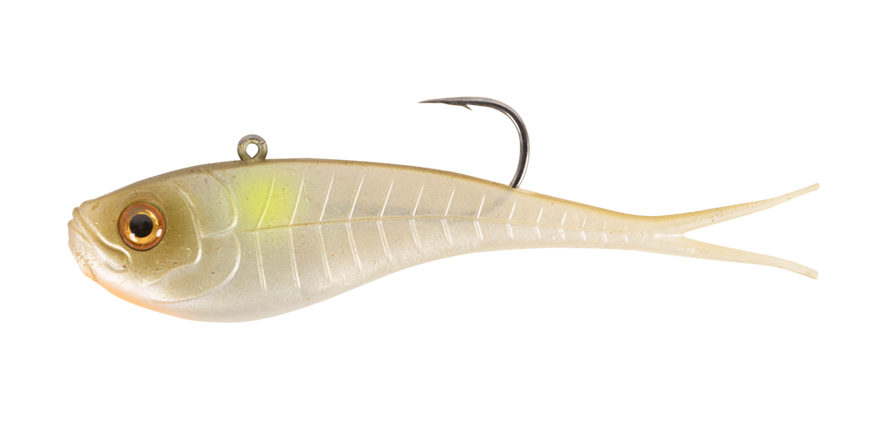
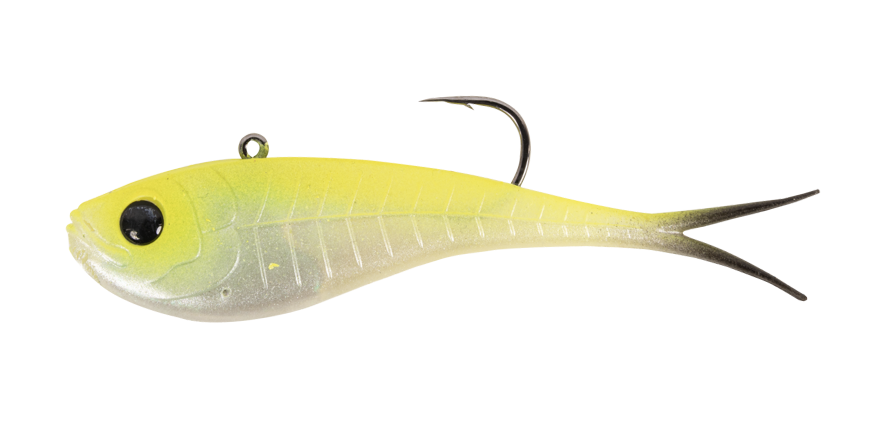
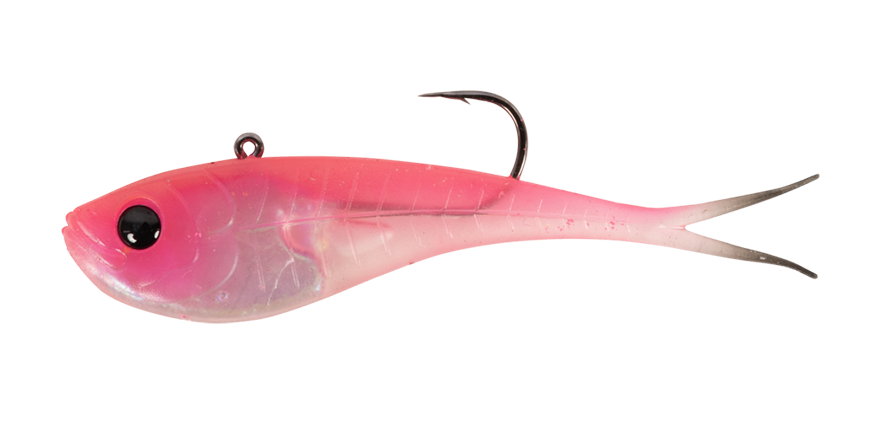
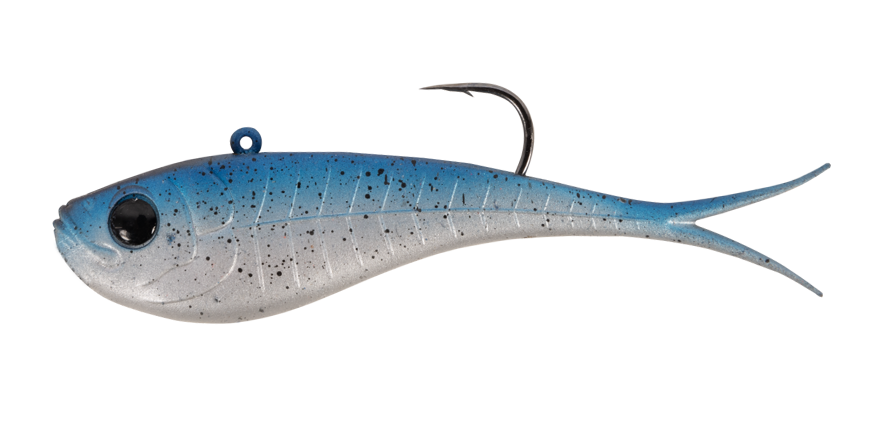
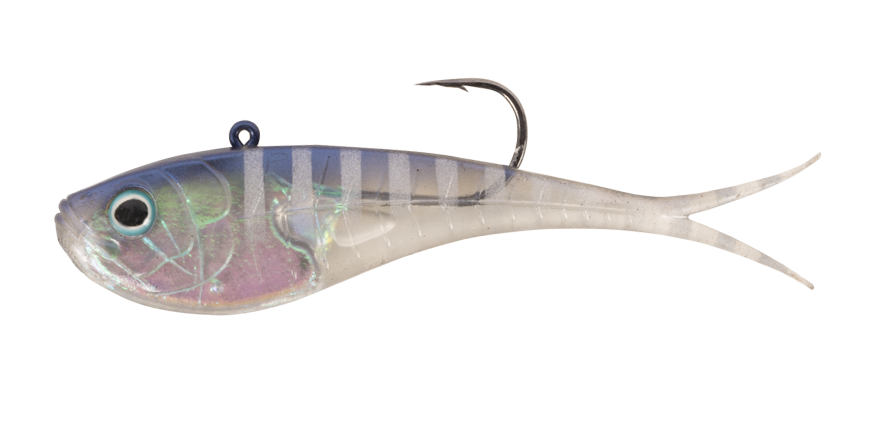
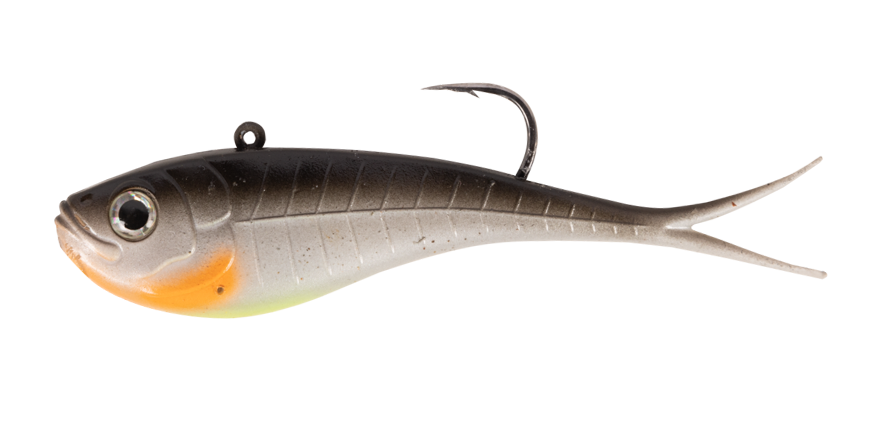
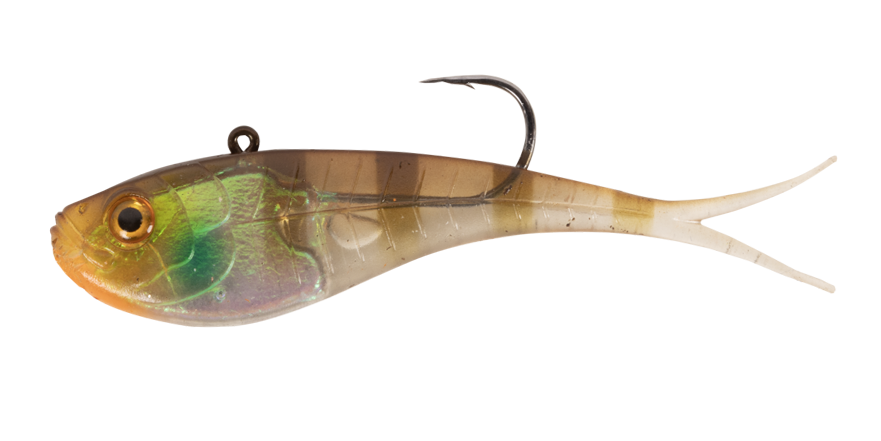
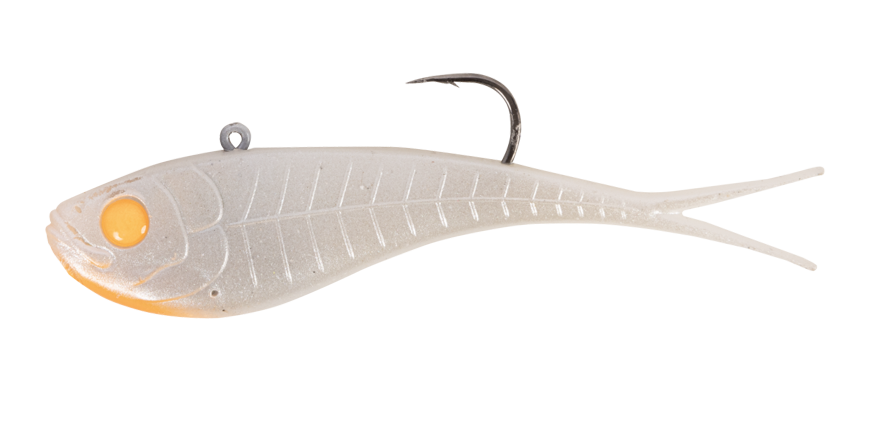
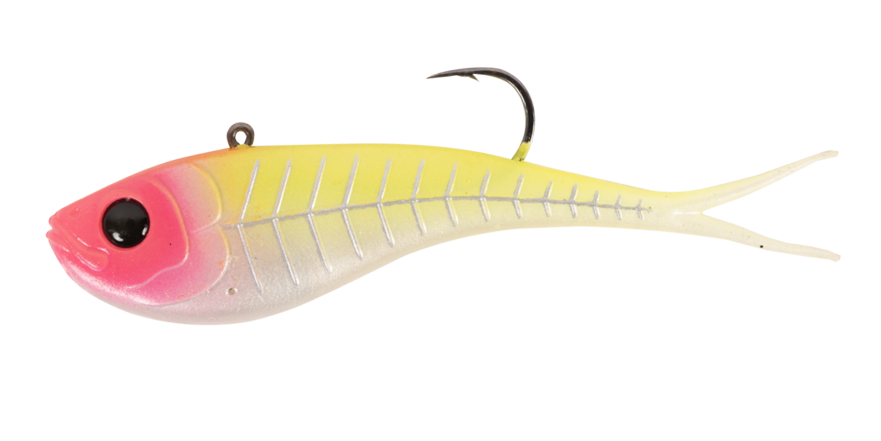
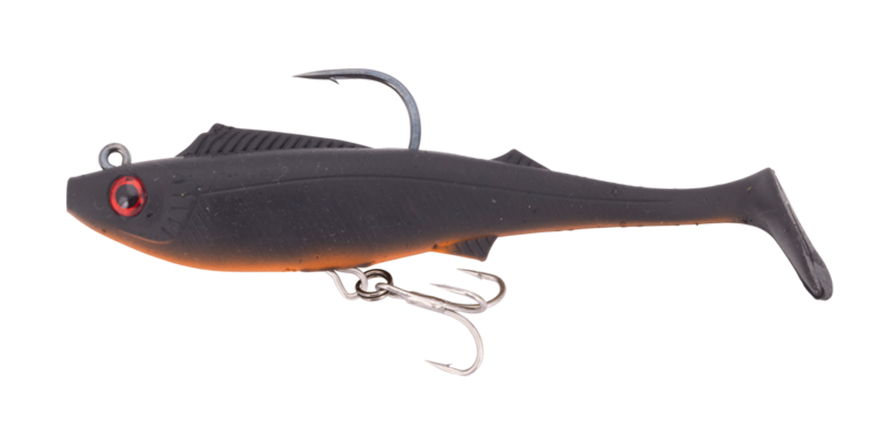
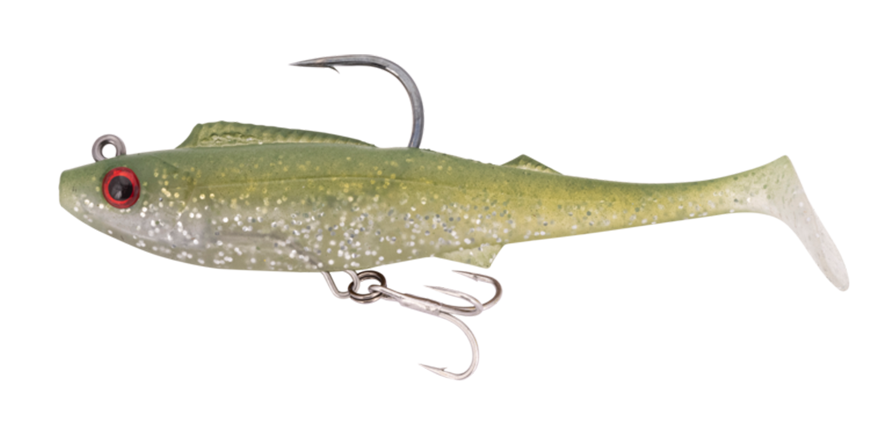
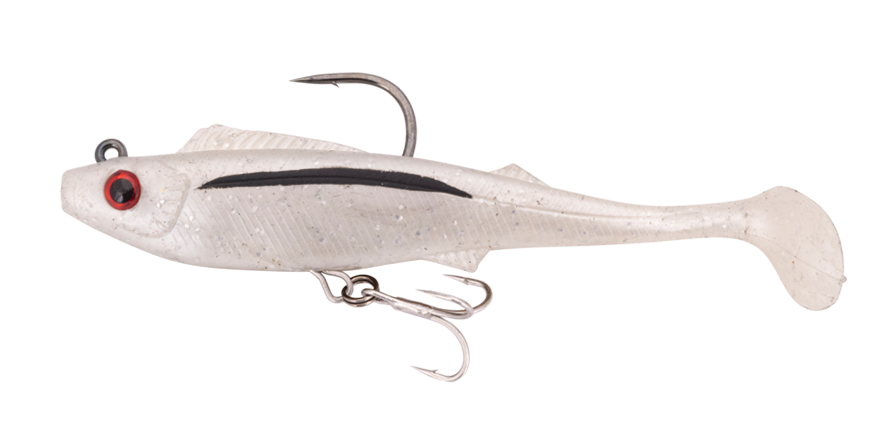
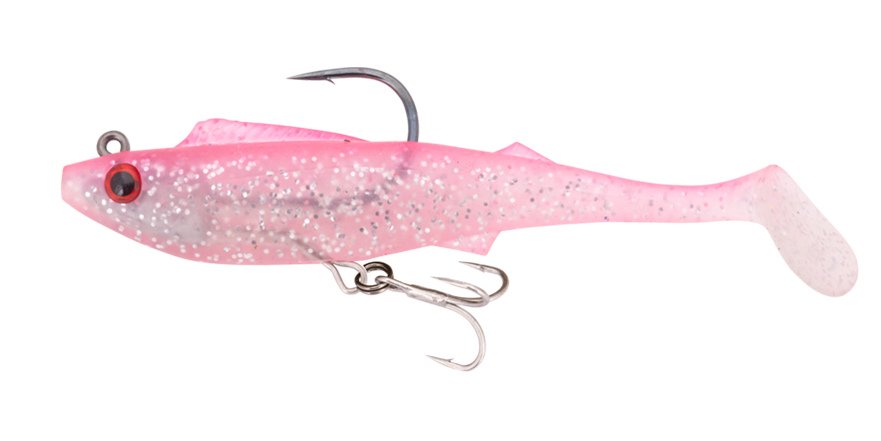
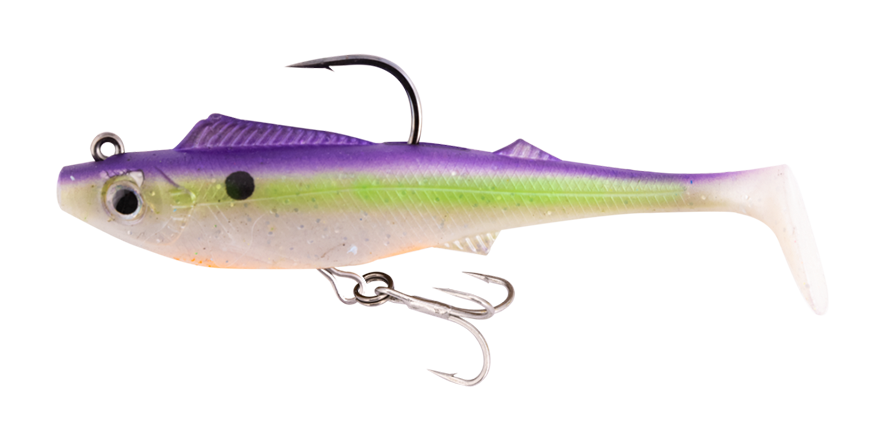
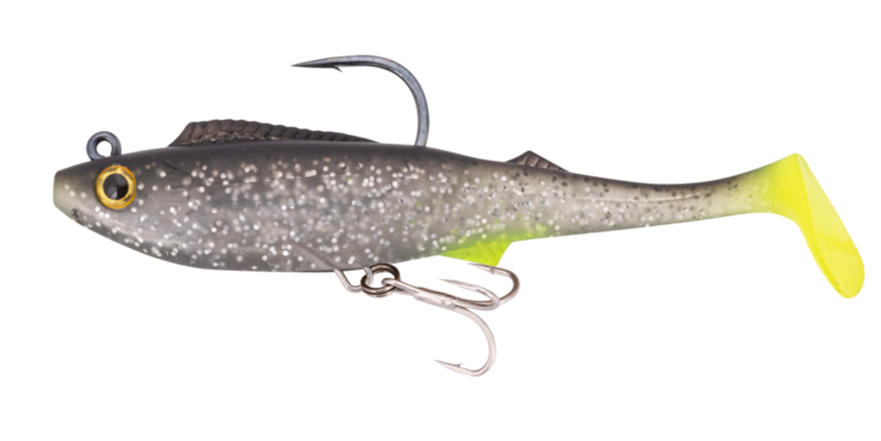
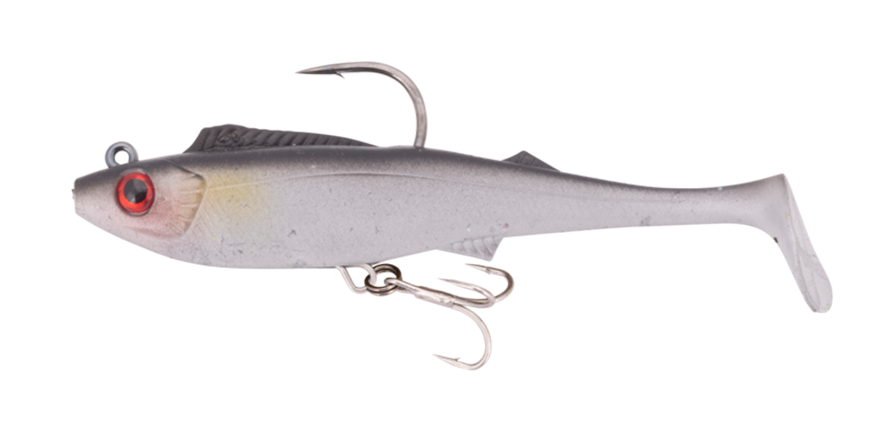
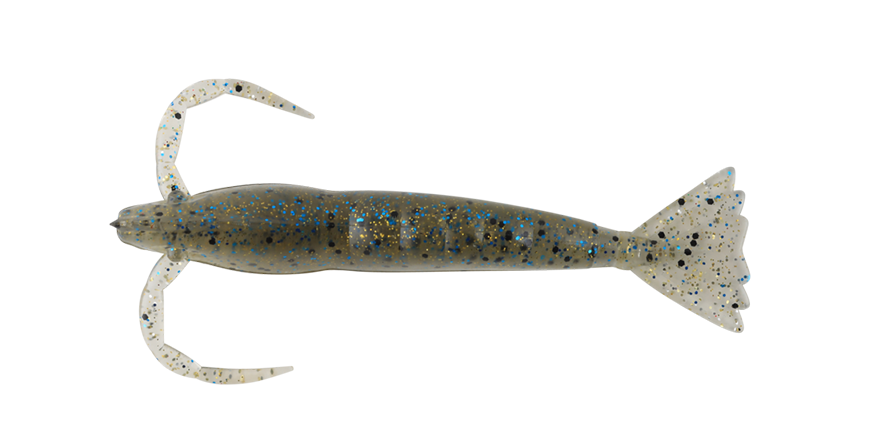
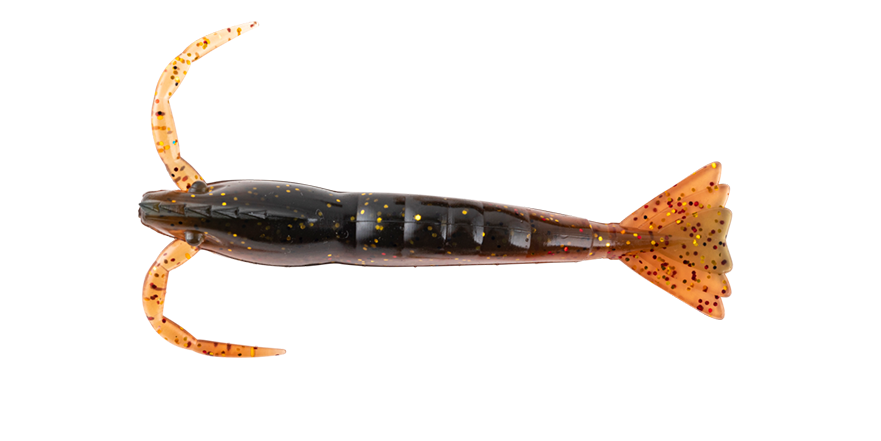
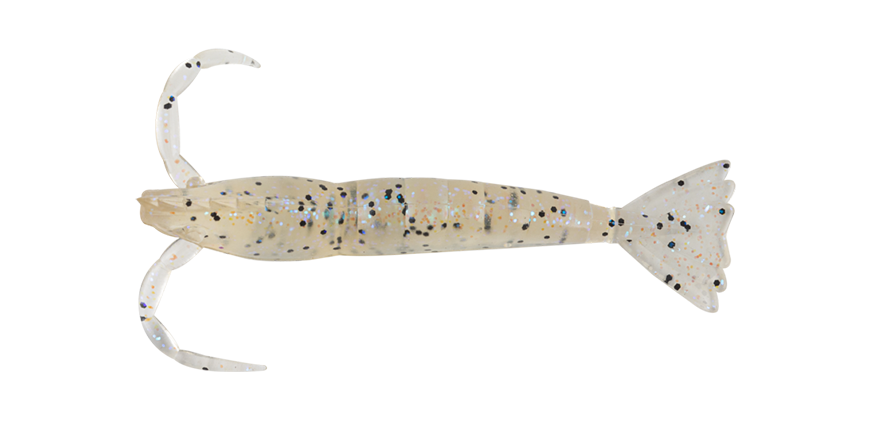
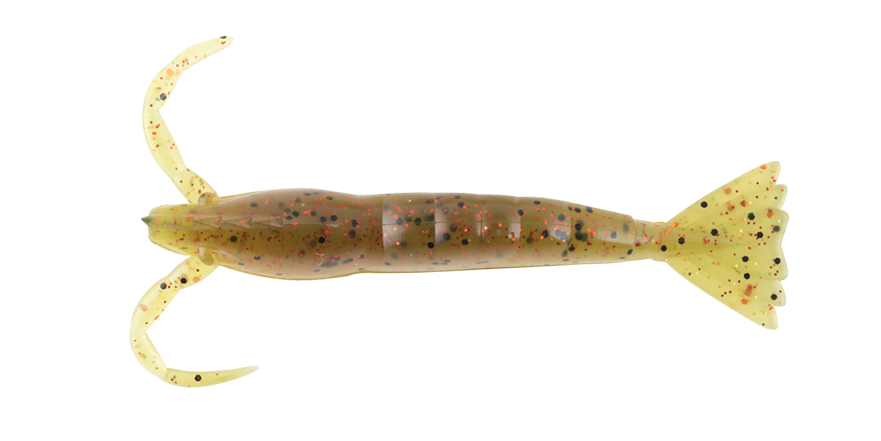
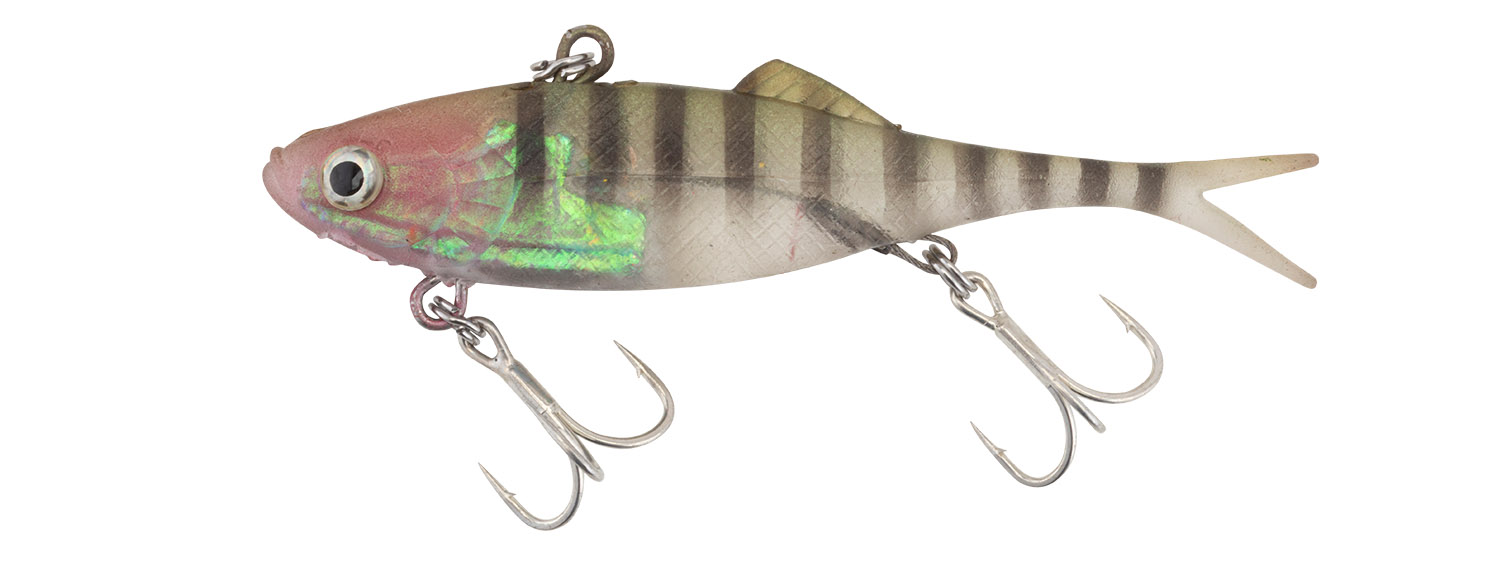
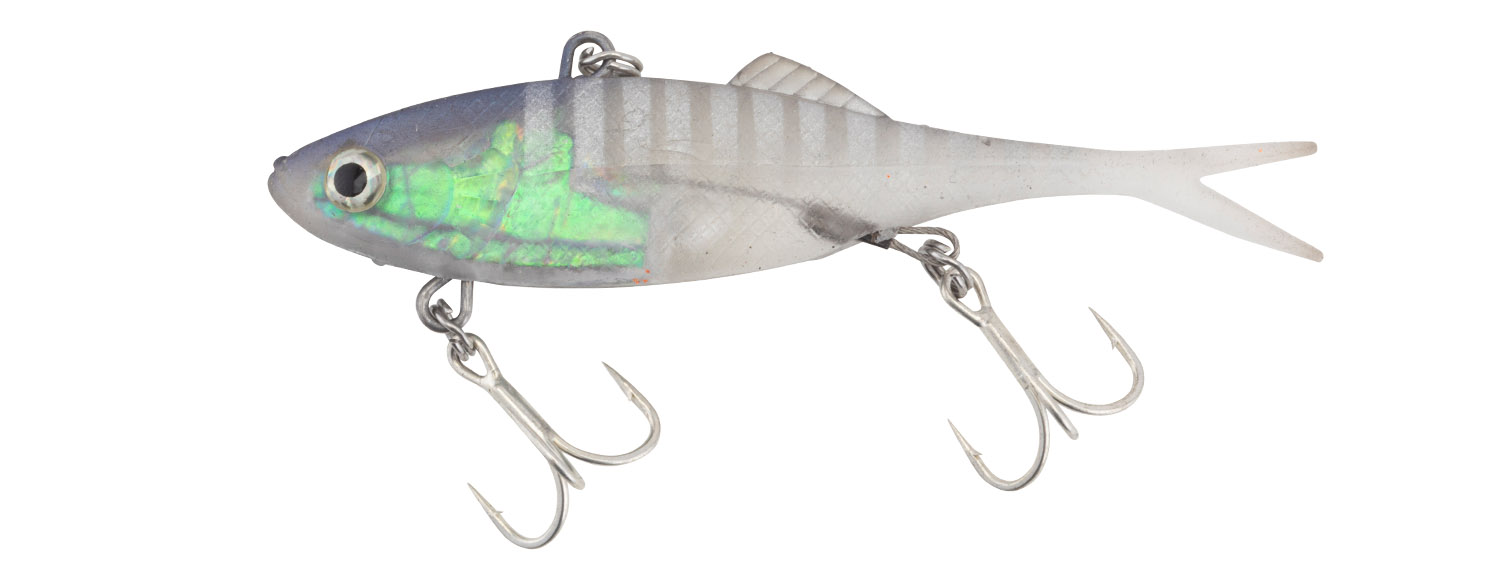
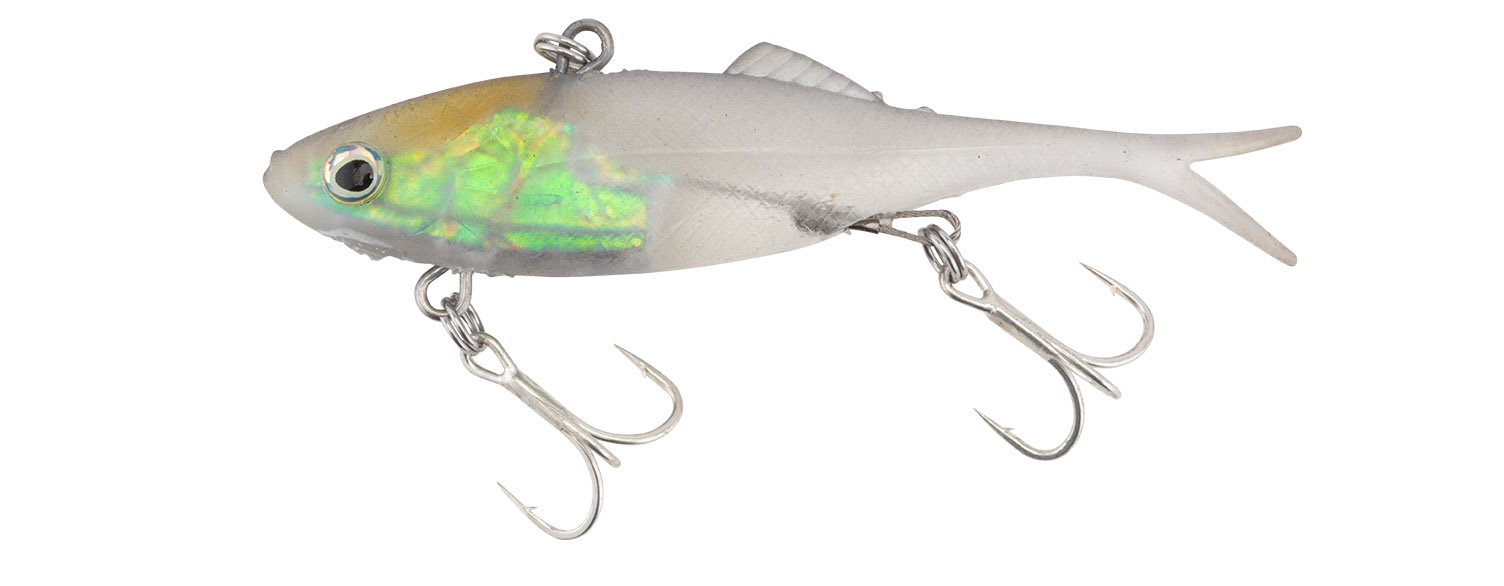
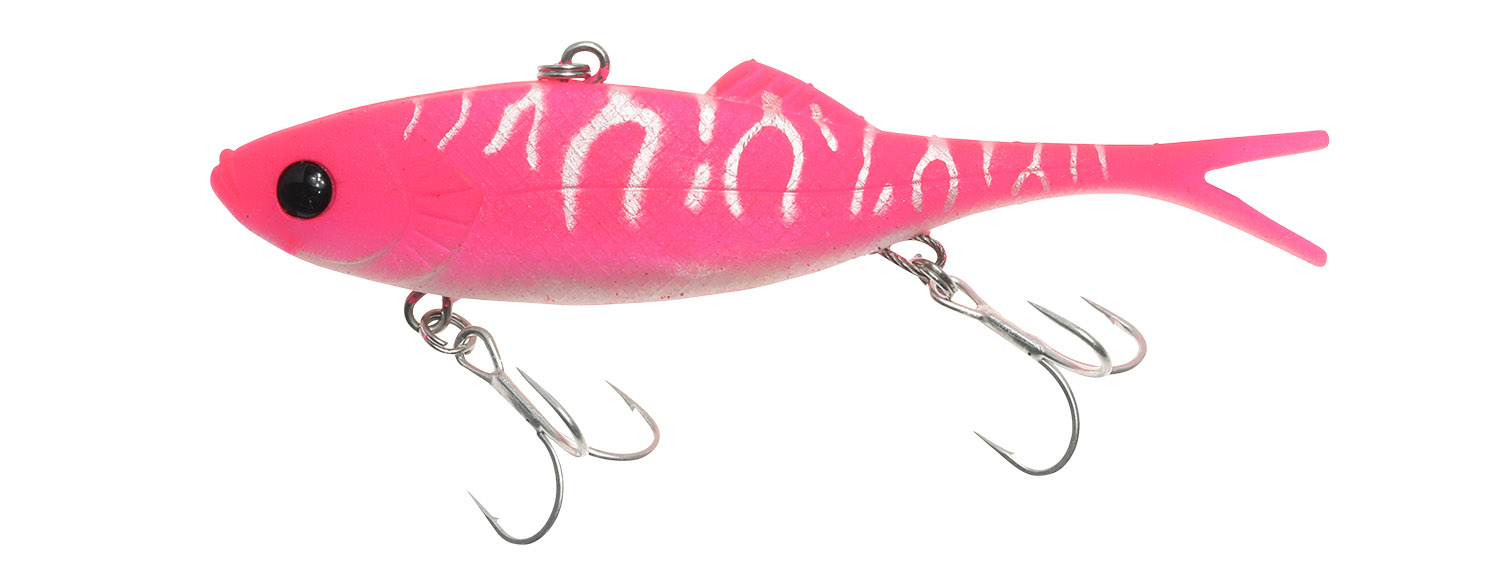
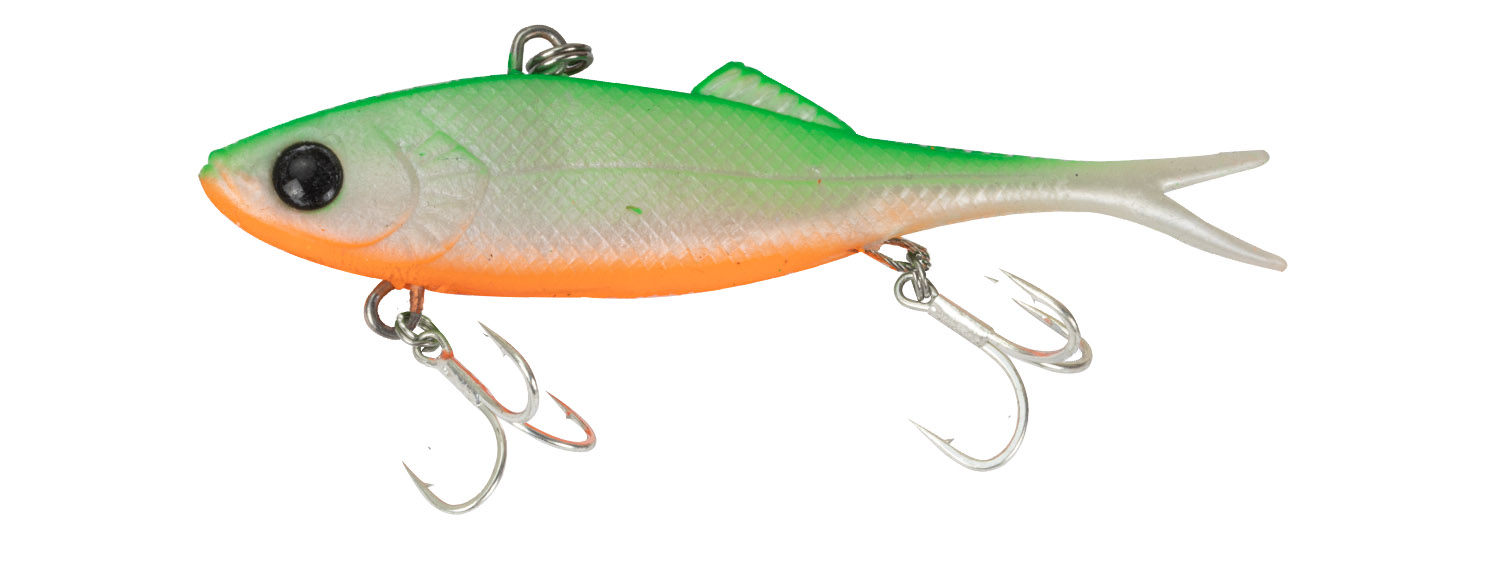
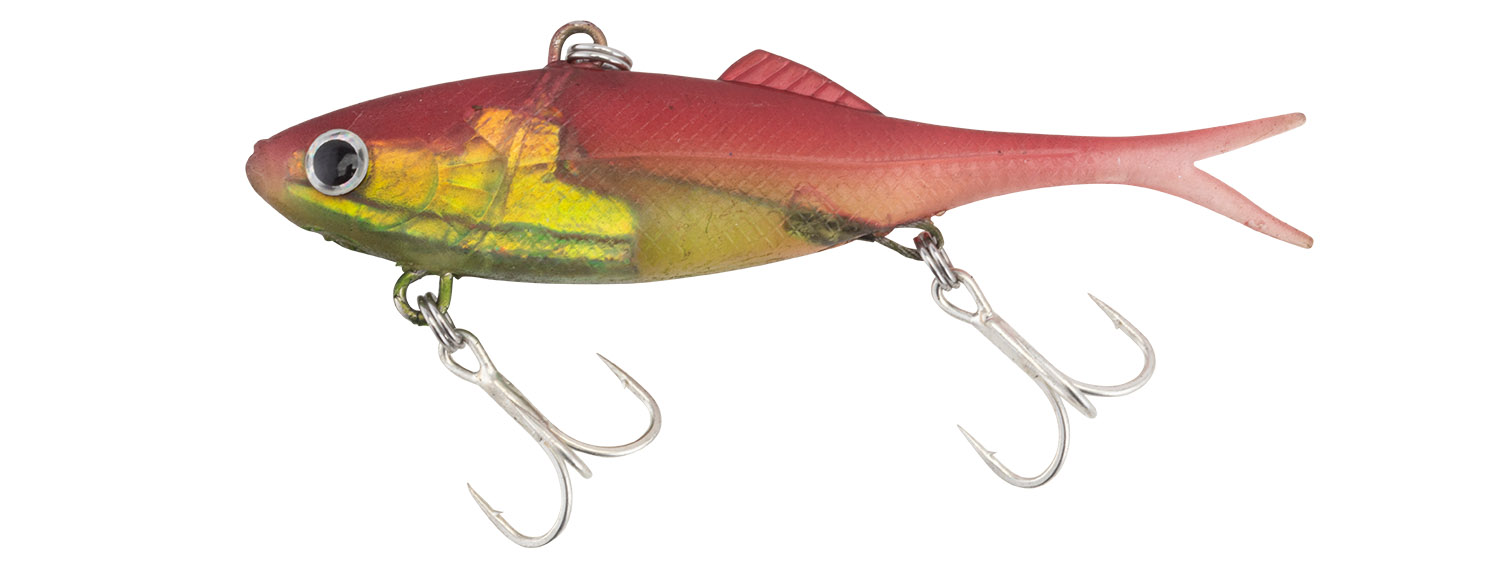
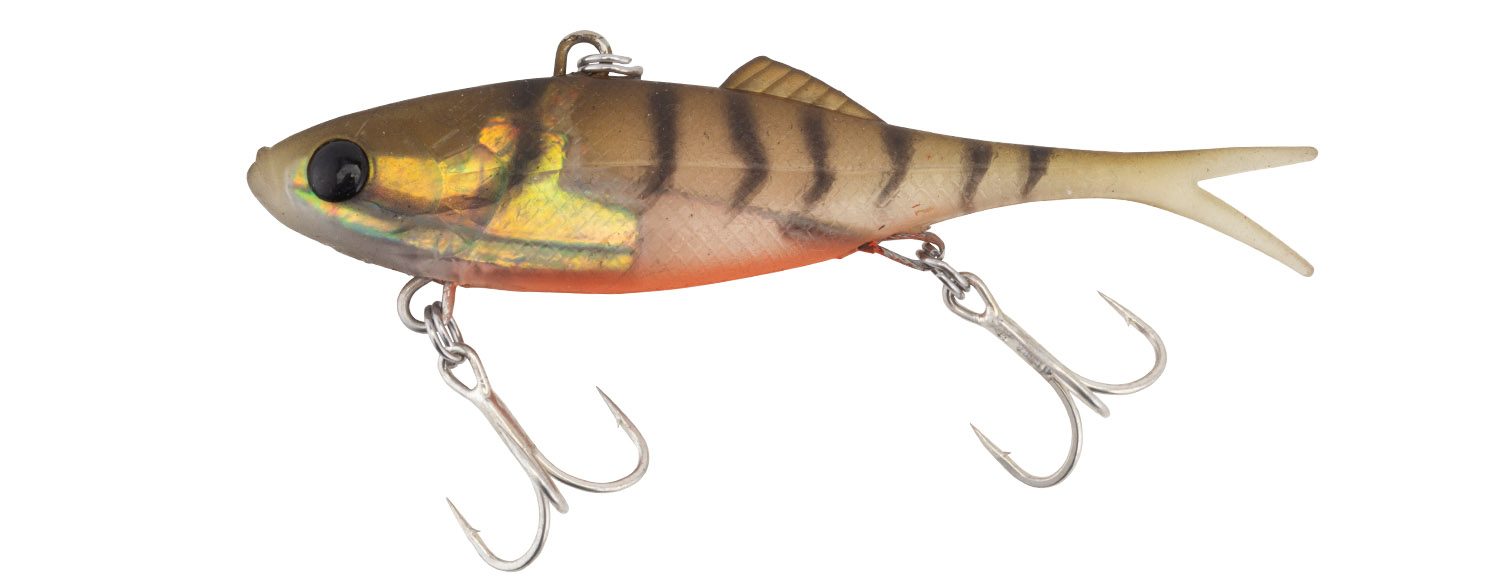
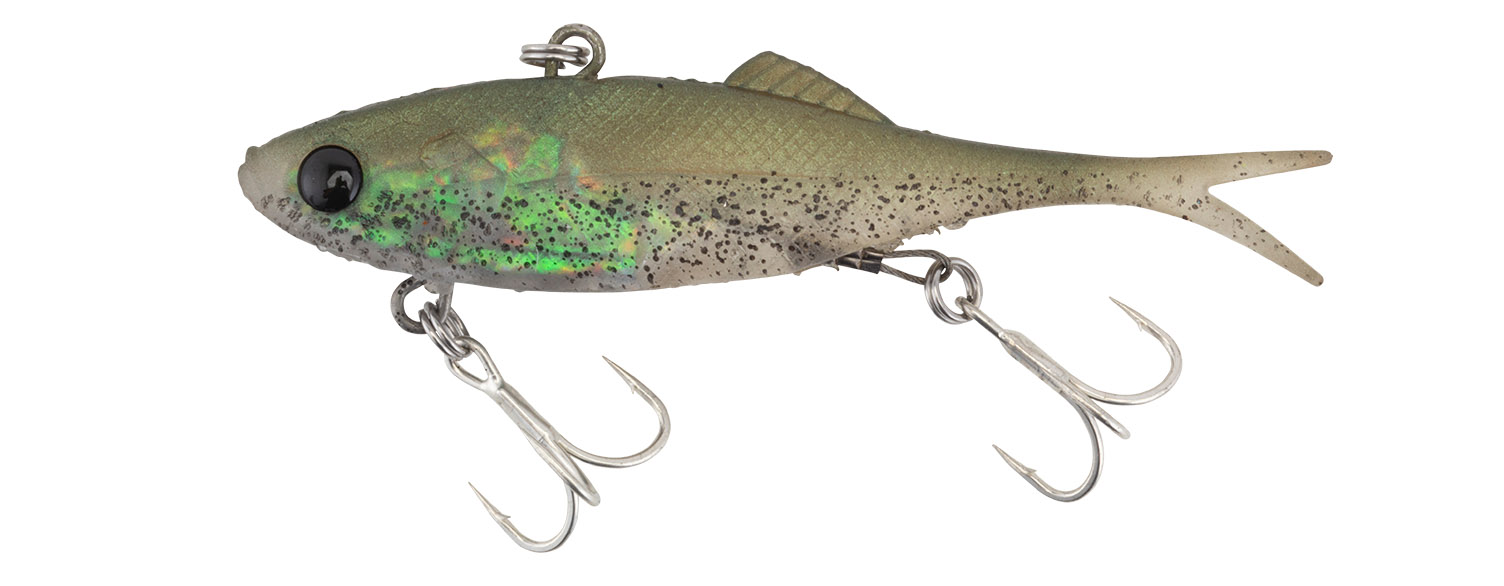
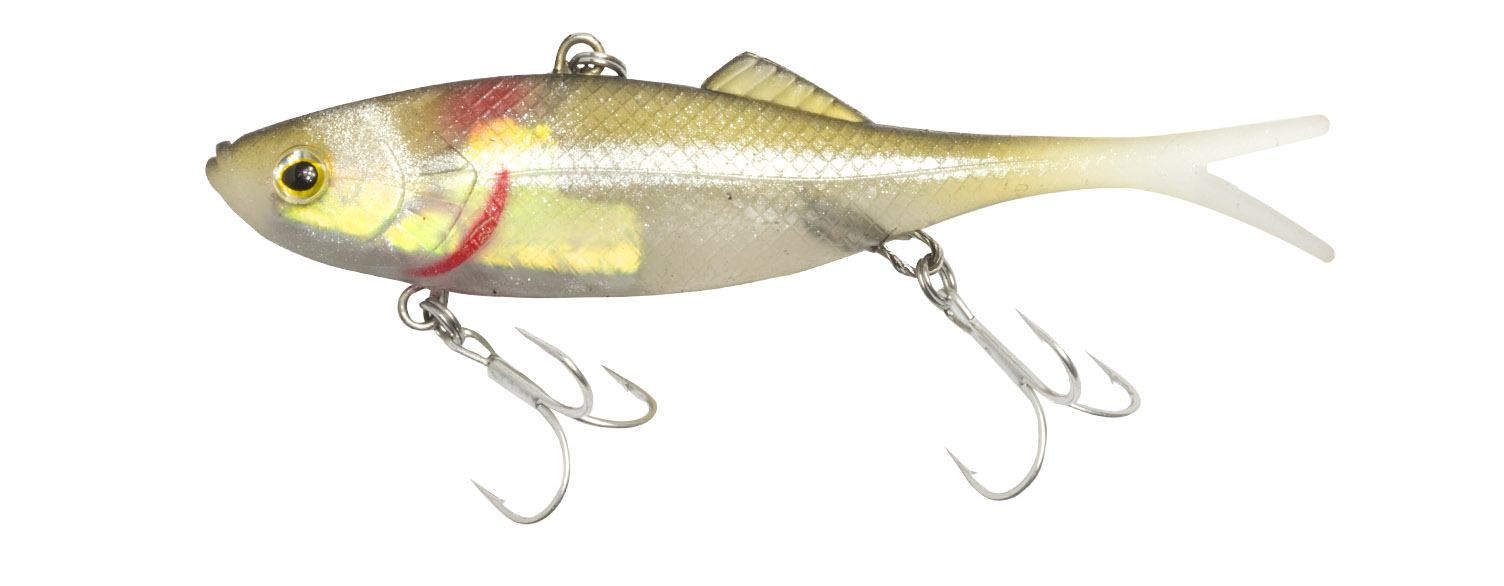
Join Guesty & Otto as they show you how to use the Berkley Shimma Fork Vibe to tempt quality nannygai from deep reef structure. With its fast sink rate, strong vibration and realistic profile, the Shimma Fork Vibe is built to get down quickly and trigger reaction bites from reef fish holding tight to the bottom.

Learn How To Tie THE FG Knot
The FG Knot delivers very high knot strength with an ultra-slim profile. It suits more advanced or detail-focused anglers and is best used for smooth braid-to-leader connections when casting long distances and knot strength is your top priority.

Rigging Soft Baits For Best Results
Getting your soft bait rigged correctly can be the difference between getting bites and getting ignored. Join Guesty & Otto as they break down the fundamentals of rigging soft baits for maximum performance. Once the rigs are ready, it’s time to hit the reef and see exactly why a properly rigged soft bait is so effective on aggressive predators like coral trout.


Impoundment Barramundi
Known for their trophy size, powerful runs and spectacular jumps, impoundment barra offer one of Australia’s most exciting fishing experiences. Whether you’re planning your first barra trip or looking to improve your success rate, this episode is packed with practical tips to help you catch more fish.

Learn How To Tie The Improved Blood Knot
The Improved Blood Knot provides excellent knot strength and a neat, streamlined finish. It suits anglers targeting a wide range of species with monofilament or fluorocarbon, and is best used for securely tying a hook directly to the leader while maintaining a straight line pull.

Get Started With Inshore Softbaiting
Coral trout are one of the most aggressive reef predators you’ll encounter, making them the perfect species to target on soft baits.
Join Guesty & Otto as they show you how to get started with inshore soft baiting using the Berkley Gulp! Zagger. Learn why its unique darting action and scent-infused design make it such an effective option for targeting trout around reef edges, bommies and broken structure.

High Speed Spinning For Pelagics
Few techniques in fishing get the heart racing quite like high-speed spinning.
Join Guesty & Otto as they break down the fundamentals of this exciting style of fishing, covering the tackle, lure selection and retrieve techniques needed to target hard-fighting pelagic species.

Learn How To Tie A Loop Knot
The Loop Knot offers excellent lure action with moderate-to-high knot strength.
It suits lure anglers wanting maximum bait movement, and is best used when fishing hardbodies, soft plastics or topwater lures that need unrestricted action.


Learn How To Tie A Double Uni Knot
The Double Uni Knot is a strong, reliable line-to-line connection knot that suits beginner to experienced anglers and is best used for joining braid to fluorocarbon or mono leaders across a wide range of fishing applications.
Follow along as Guesty guides you through the process. Just remember, practice makes perfect!

Using Technology To Find New Fishing Areas
Want to find new fishing spots? Join Guesty as he explains how to use modern technology to uncover new fishing locations, structure and high-percentage areas with confidence.

LEARN HOW TO CATCH MORE:
Tailor
Well-known as a fantastic light tackle sportsfish, tailor are a popular species which can be found in large schools and are often willing to eat a fast-moving lure, making them extremely fun for all ages. Not only do tailor put up a good fight, but they also make a delicious meal when caught fresh.


Guesty’s top 5 Tailor tips
Tailor have razor sharp teeth, so keep your fingers away from their mouth and always use a pair of pliers to remove your lure.
An energetic fish, tailor are always on the move. Keep your lure moving as if it’s a baitfish trying to escape the area.
Heavier leaders are needed for these toothy critters. 20 to 30lb fluorocarbon will generally do the job.
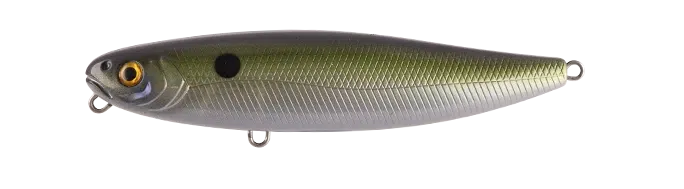
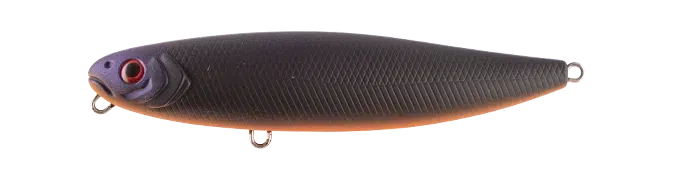
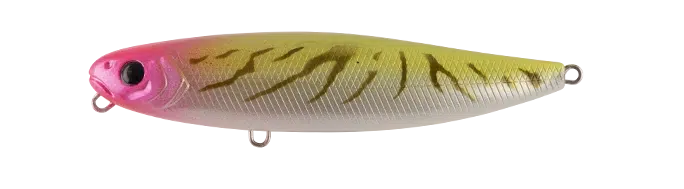
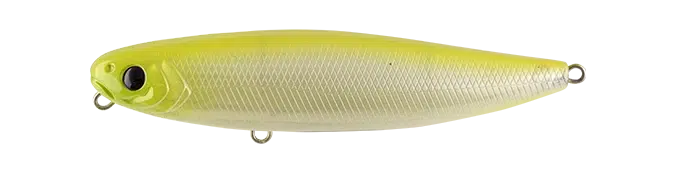
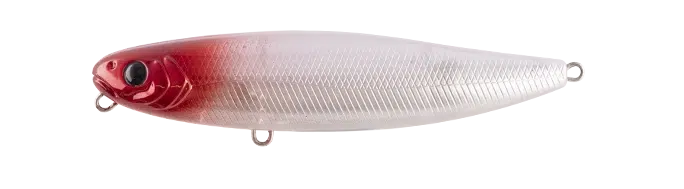
Tailor react well to a surface lures worked quickly across the surface. Try a 120mm Pro-Tech Bender or 85mm Pro-Tech Slurp.
Keep an eye out for feeding seagulls and terns they’re a great indicator that tailor are feeding below.
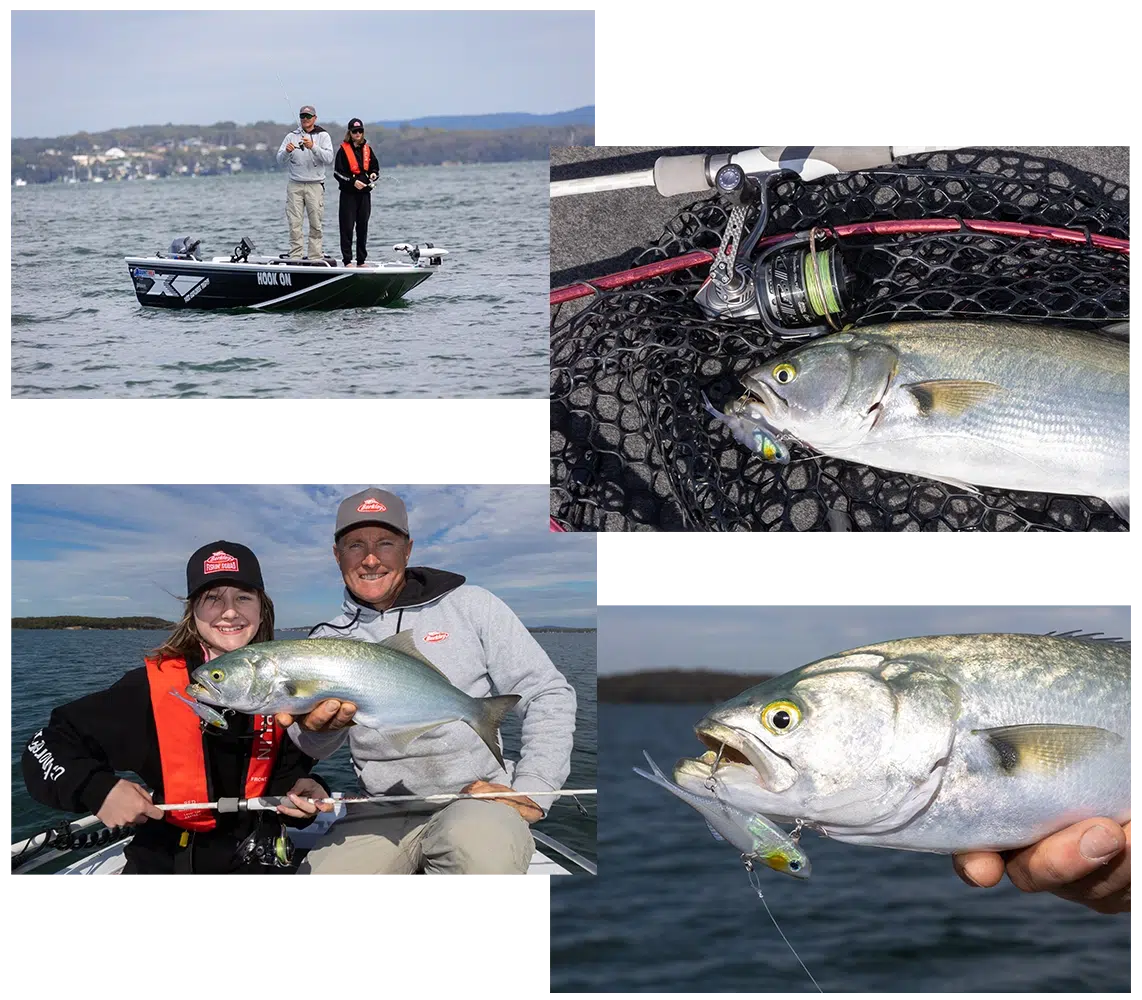


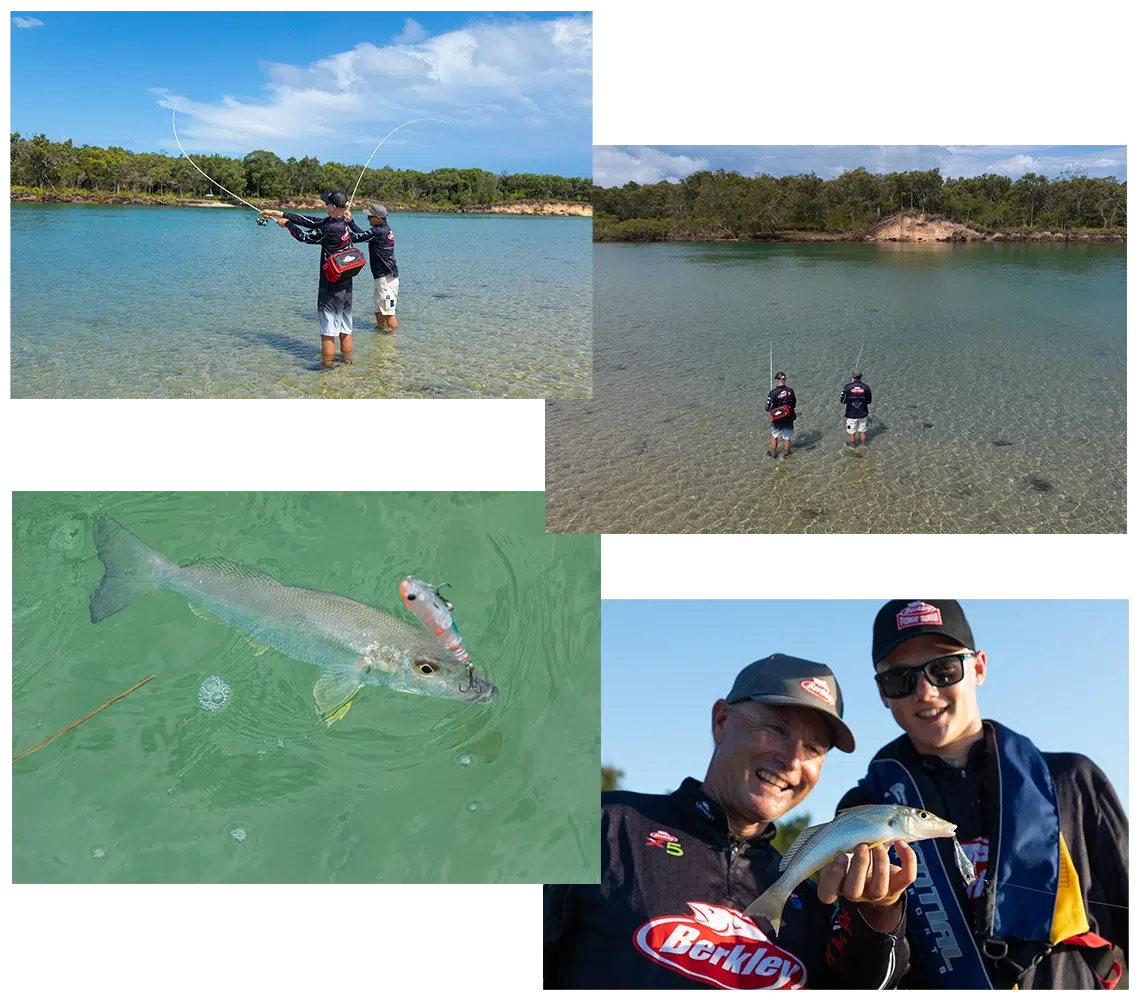
Guesty’s top 5 Whiting tips
Choose a light rod, reel, and line combo. My ideal rod for whiting is about 7ft in length and has a 2-4kg line rating. I will run 6lb braid and a rod length of 6lb monofilament leader.
Cast as far as you can and work the lure back with a twitching /popping action.
Always keep the lure moving during the retrieve. If you have whiting following your lure and you stop it, they will lose interest and turn away.
Catching whiting on surface lures is best in the warmer months when prawns and yabbies are active.
Try a using a Pro-Tech Prawn Walker or a Pro-Tech Slurp with a smear of gulp gel for extra flavour.
LEARN HOW TO CATCH MORE:
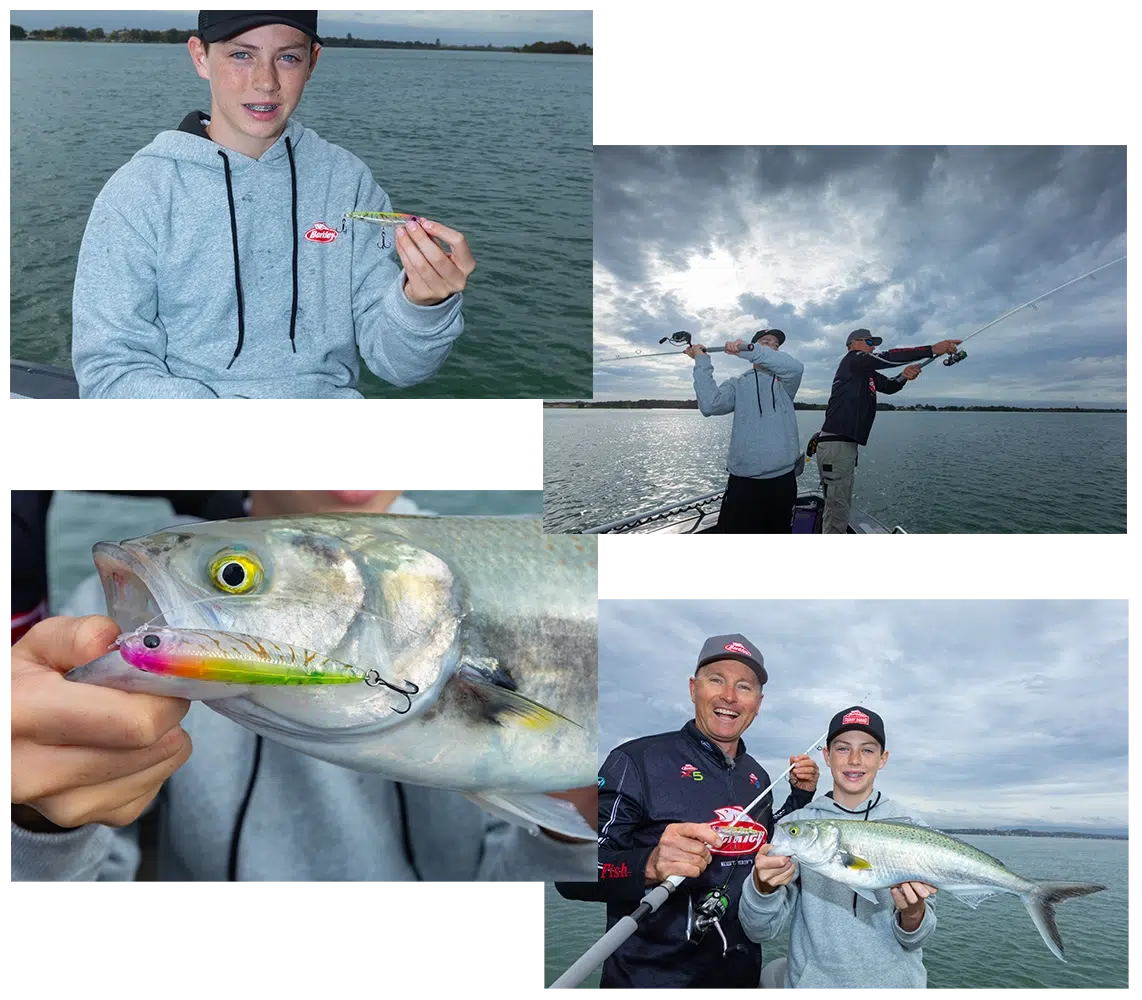
SALMON
A fantastic sports fish, Australian Salmon are known to school up in large numbers and raid baitfish populations using a pack attack approach. Full of muscle, Australian salmon fight hard and will readily take a variety or lures off the surface or below. Matching the hatch is key for tempting these sometimes-fussy eaters, and often downsizing your lure does the trick.

Guesty’s top 5 Salmon tips
Salmon fight hard! Make sure your drag is set and ready for that first fast run.
Salmon feed on super small baitfish at times, so match the hatch and try choosing a lure that’s the same size.
Speed is often the key. Work your lure fast for a better chance at them reacting to it.
Once hooked, they leap out of the water. Don’t pull back on the rod when this happens, instead keep your rod down low and they’ll be less likely to throw the hooks.
Focus your fishing around low light periods as that’s when salmon tend to be most active and less likely to spook as you approach them.
LEARN HOW TO CATCH MORE:
TROUT
Fresh air, crystal clear mountain streams and a hive of activity, it’s all part of the freshwater trout fishing experience and one you need to participate in to really appreciate. Trout are an introduced species in Australia, however there are wild populations with many variants on offer such as brown trout, rainbow trout & brook trout.


Guesty’s top 5 Trout tips
Trout have great eyesight. Remember to move slowly and quietly as you approach the section you plan to fish.
You’ll get more bites using light fluorocarbon leader which is almost invisible in the water.
Trout face into the current waiting for their food to be washed down. Cast your lure upstream and work it back with the water flow.
Trout are slippery and hard to hold, try making a ring grip with your thump and first finger just in front of the tail.
Trout can be hard to see and blend in well with the bottom, Try using polarized sunglasses to spot them before making a cast.

LEARN HOW TO CATCH MORE:
BASS
Australian bass are one of those species that can easily get a lure angler over excited. The morning & afternoon topwater sessions, the floating down pristine creeks and rivers & the multiple fish sessions just to name a few.
Australian Bass are an addictive species to chase on lures and can be targeted using many different techniques and lure styles. With 50cm being regarded as the trophy length, bass of any size is worth fishing for in our books.

Guesty’s top 5 Bass tips
When the sun is high, bass will hide in the shade. Concentrate your fishing in the shadows.
Cast as close as you can to structure such as boulders & fallen or overhanging trees.
Bass have great eyesight and spook easily, so approach your spot nice and quietly.
Look to use small surface lures in the warmer months and when there are insects about.
Bass love to sit in deep holes below running water, be sure to put in a few extra casts if you come across a small rapid.

LEARN HOW TO CATCH MORE:
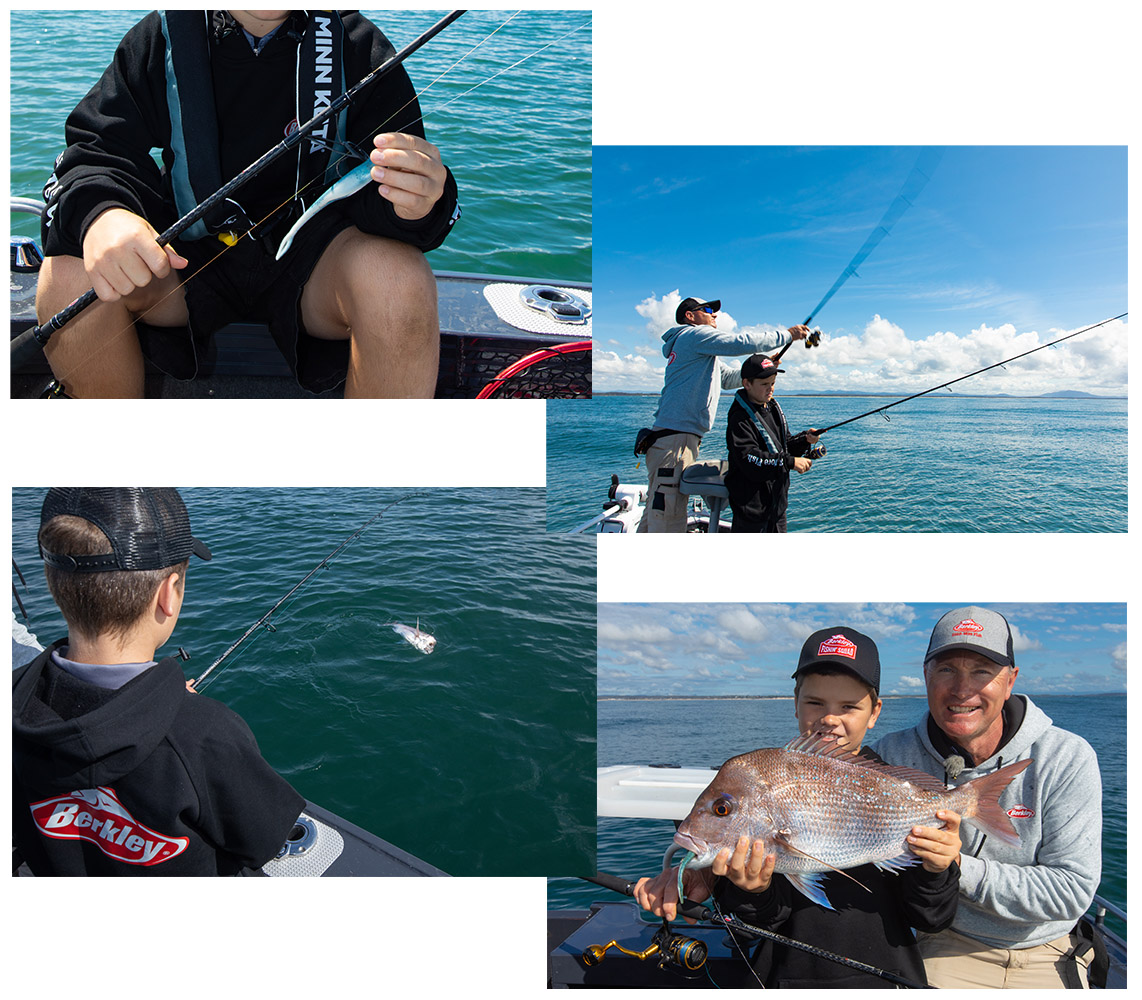
SNAPPER
Popular for their ability to fight hard and their delicious taste, snapper are a favourite amongst inshore anglers, especially during the winter months. Snapper are easily accessible by anglers with small trailer boats and in some cases land based anglers too. Snapper are commonly caught between 30cm & 80cm, however some anglers have been lucky to land snapper well over 90cm and nudging the 1m mark. Fish of this size will test your tackle, so be sure to check your knots and be ready to hang on!

Guesty’s top 5 Snapper tips
Snapper are timid fish. Try to keep the noise down and don’t drive directly over where you plan to fish, instead drift towards it with your motor off.
It’s important to rig your soft bait straight so it sinks through the water column naturally.
Choose a jig head with just enough weight to let your lure slowly sink. Aim for a sink rate of around 2 seconds per metre.
Cast as far as you can away from the boat in the direction you’re drifting, click your reel into gear and be ready for a bite as the lure sinks.
Snapper have tough mouths, when you get a bite, strike hard and set the hook! Once hooked, pump and wind, that’s when the fun begins.
LEARN HOW TO CATCH MORE:
BREAM
Yellowfin bream are one of the most prolific species to inhabit the waters of Australia. It’s no wonder they’re a favourite among anglers of all ages and experience levels. In fact, many budding anglers begin their fishing career by catching bream on small strips of bait, but the real fun begins when targeting them using lures.


Guesty’s top 5 Bream tips
Bream have great eyesight so use a light fluorocarbon leader.
Bream are a wary fish and can spook easily so try to keep the noise down when approaching your spot.
Use a loop knot when tying your leader to your lure as it allows it to move more freely and swim more natural in the water.
It’s super important to pause your lure during the retrieve, bream will often strike best when the lure is stationary.
Bream have an amazing sense of smell. Adding scent such as Gulp! Gel can make all the difference for getting a bite.

LEARN HOW TO CATCH MORE:
Murray Cod
One of the most stunning freshwater fish you’ll ever lay eyes on, Murray cod are native to Australia, grow to extreme sizes and can be caught on a variety of lures that work on and below the surface. They have a large mouth and aren’t scared to eat a large offering and it’s to no surprise that their natural diet consists of fish, yabbies, shrimp, frogs, turtles, water birds, lizards, mice and even snakes – talk about a greedy guts!


Guesty’s top 5 Murray Cod tips
Murray cod love lures with lots of action, especially ones that work at a slow speed; don’t wind your lure too fast.
If you find a good spot and you think a cod lives there; ie, a sunken log or rocky boulder, put several casts into the same spot as sometimes you need to wake the cod up before they’ll eat.
The best times are often early morning and late afternoon. This is usually when Murray cod are most active.
If you’re fishing with a surface lure, it can pay to pause your retrieve every now and then, especially near structure.
Different coloured lures will work on different days. Generally brighter coloured lures work in dirty water and more natural-coloured lures in clear water.

LEARN HOW TO CATCH MORE:
FLATHEAD
One of the most sought-after saltwater fish in Australian waters is the humble flathead and for many good reasons. They’re accessible for just about anyone living or visiting an area where there’s saltwater and at times, they can be easy to catch. Flathead are often found in estuaries and coastal bays with sand, mud, gravel and seagrass a likely hideout. Flathead put up a great fight and can be found in good numbers.


Guesty’s top 5 flathead tips
Flathead love to hang around drop-offs, weed beds and rocks. Cast along the edge of these areas to increase your chances.
Flathead sit on the bottom, so it’s important to match your jig head size with your favourite soft bait so that it hits bottom with each cast.
Give your lure plenty of action by twitching the rod tip to make the soft bait come to life, then allow it to hit the bottom again.
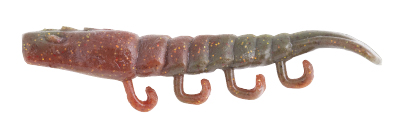
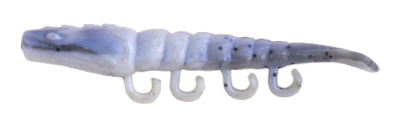
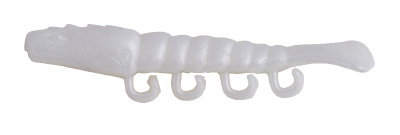
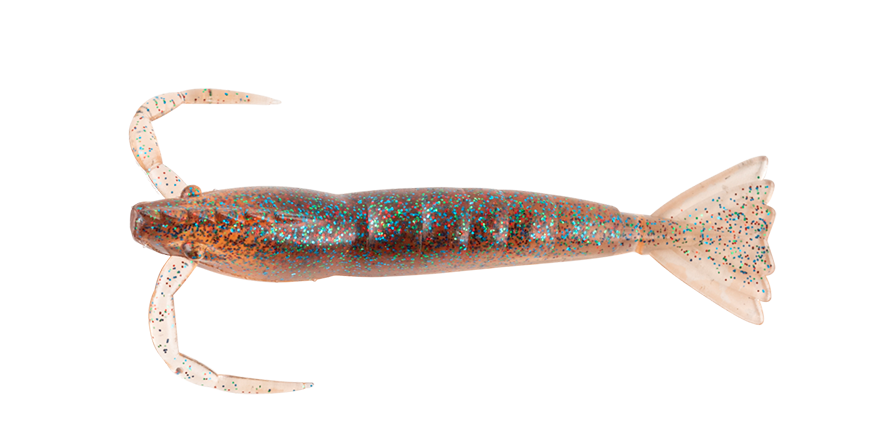
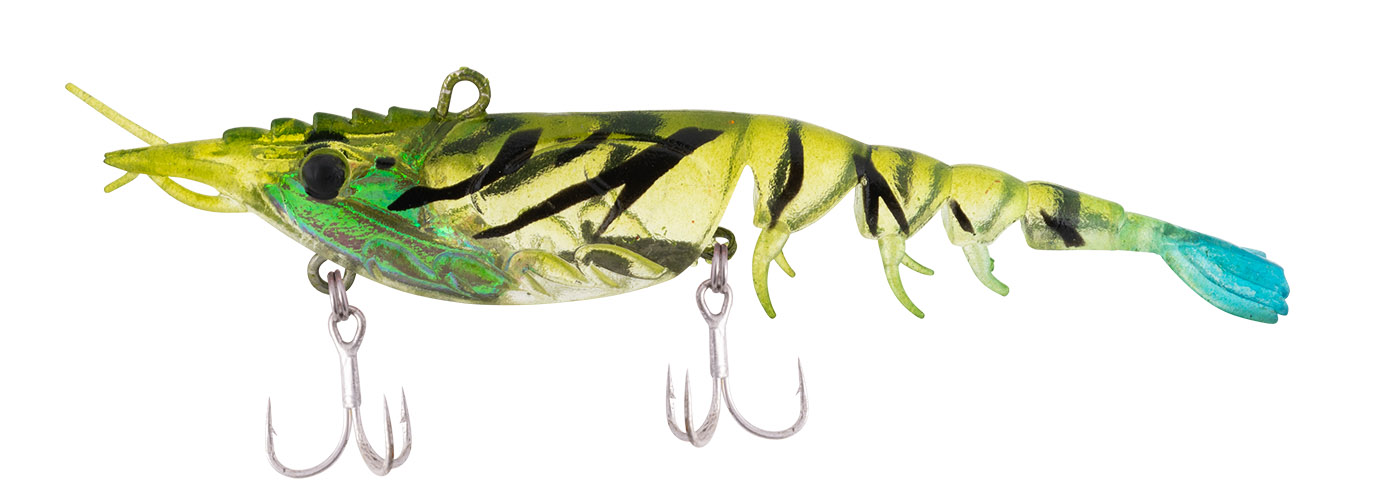
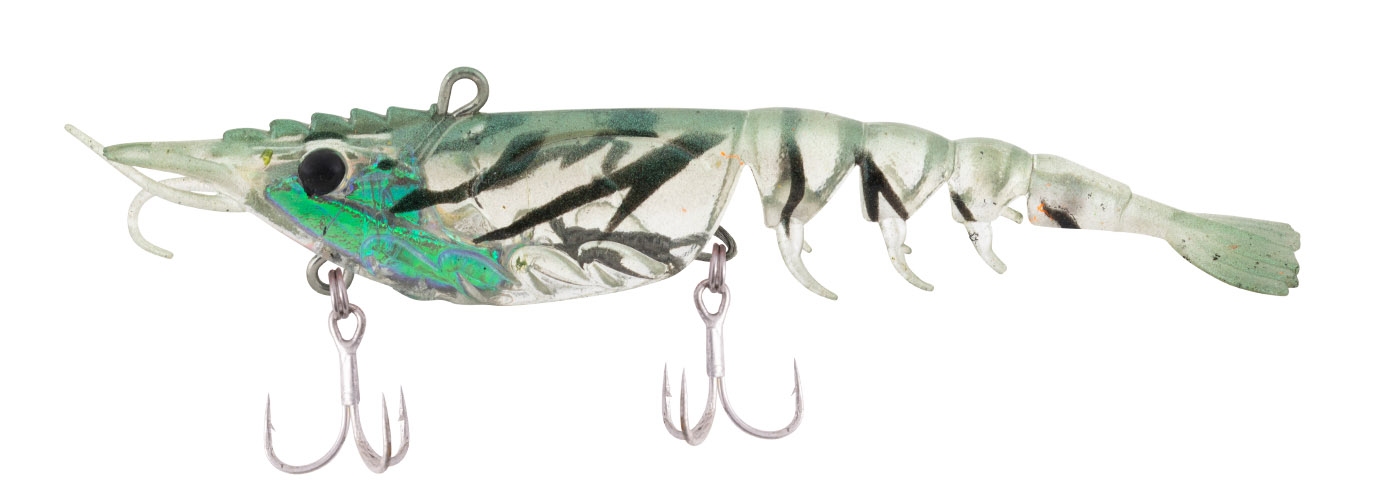
As the old saying goes ‘match the hatch’. If you notice prawns in the water, using a prawn shaped plastic is a great place to start.
When you get a bite, strike to set the hook as flathead have hard mouths.